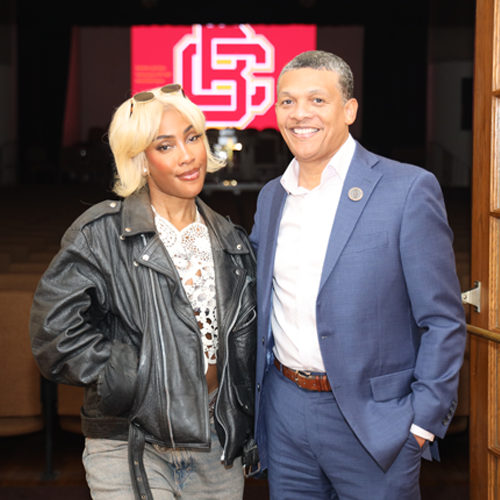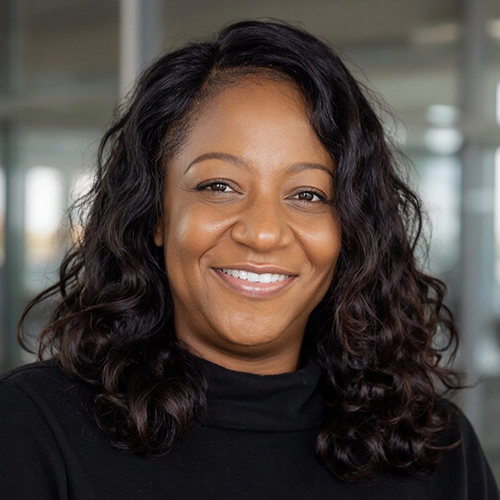
Dorcas McCoy, Ph.D., leads Bethune-Cookman University’s Project Pericles programming and the B-CU Civic Story Lab team. Credit/rights: Courtesy of Bethune-Cookman University; internal Gmail asset. Confirm photographer credit.
DAYTONA BEACH, Fla. — Bethune-Cookman University students will turn civic participation into public storytelling this spring through a new Project Pericles fellowship that places women, faith and democracy at the center of the learning experience.
The B-CU project, “RISE to the Story: Women, Faith, and Democracy in Action,” is one of seven campus teams selected for the inaugural National Civic Story Lab Fellowship. Led by Dorcas McCoy, Ph.D., B-CU’s Project Pericles program director, the initiative connects students in POL 353: Women in Politics with Equal Ground Education Fund, a Florida-based civic engagement organization.
Students will serve as Civic Story Lab Fellows, participating directly in advocacy activities and documenting the civic influence of women and faith leaders across Florida. Project Pericles says the fellowship is designed to strengthen student civic agency while helping young people create original media about local, grassroots change.
At B-CU, the work will move beyond observation. Students are expected to conduct interviews, gather field research and produce digital narratives that show how communities organize, educate voters and develop new leaders. Equal Ground’s Clergy Day at the Capitol will provide one of the project’s most visible learning settings.
The fellowship builds on McCoy’s wider work to make civic learning an active part of a Bethune-Cookman education. During Project Pericles’ 2025 annual directors meeting at Skidmore College, she facilitated a session titled “Faith in Action,” sharing ideas about the role institutions and faith communities can play in democratic life.
That national conversation now returns to the classroom in Daytona Beach. Students will examine questions of representation and power while learning how ethical storytelling can help communities make their work visible. Their final media may include interviews, photo essays, short videos or other digital formats shaped by the people whose experiences they document.
Project Pericles announced that each selected team will receive a $7,500 grant for the spring 2026 work. The program will culminate in May with campus showcases and a national virtual convening, giving students an opportunity to share both what they learned and what they created.
For B-CU, the project reflects the University’s long tradition of connecting education with service. Dr. Mary McLeod Bethune used organized civic action, public communication and coalition building to expand opportunity. The Civic Story Lab gives today’s Wildcats a contemporary way to practice those same habits.
By the end of the semester, students will have done more than study women in politics. They will have worked beside community partners, listened to civic leaders and helped preserve stories that can inform the public record. In that process, the classroom becomes a newsroom, a research lab and a place where democratic participation is learned by doing.
The fellowship’s emphasis on narrative is as important as its emphasis on participation. Public decisions are often shaped by which experiences are documented and whose voices are heard. Training students to gather stories responsibly helps them recognize the difference between speaking for a community and creating space for community members to speak for themselves.
Students will also confront the practical questions that accompany public-facing research: how to ask informed questions, obtain consent, represent a person’s words accurately and provide enough context for an audience to understand what is at stake. Those skills strengthen academic work while preparing students for careers in law, public policy, communications, nonprofit leadership and research.
The B-CU team will join peers from six other institutions in a national learning community. Workshops and the culminating convening will let students compare approaches, receive feedback and see how local projects fit into a broader effort to renew civic participation through higher education.